| Wordworx Looking to the future |
|
 MIS
Stargazer 1999 (www.misweb.com) MIS
Stargazer 1999 (www.misweb.com)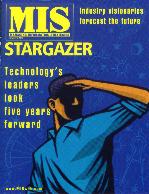 is a four yearly gaze into the future by executives from top IT companies. I was asked to edit the local 1999 edition of this magazine and to introduce my own projections for the future. Keith Newman Ministry of Words, Freelance journalist Technology has become smaller, smarter, faster and more affordable allowing instant communications with anyone, anywhere at anytime. It is both pervasive and invasive. Computing, telecommunications and most entertainment devices recognise and communicate with each using wireless technology, all components can be inter-linked and plug-in to the broadband web. We finally have an infostructure. Mobile executives, salespeople and the new hi-tech yuppies roam across the countryside doing deals from offices on wheels. Voice, Internet and corporate network access is available from any device with a single log on or phone number. You can’t even go into the bush without confronting technology. Was that a cellphone or have the rural birds also learned the incessant trill of the Nokia and Ericsson? We’re in the midst of information overload and any knowledge worker able to untangle the maze is worth their hire. Back in 1999 I began to feel the effects of information burnout but with the new stress and data management skills you can hide behind the technology and work at your own pace. I used to feel like George Orwell’s Winston– a kind of living word processor forever translating techno- jargon and marketspeak into something the average punter can understand. These days there are more acronyms to remember but the technology is easier to use, more intuitive. It knows what you want and when. Journalists who understand the profound changes of the past decade and can piece together the technology puzzle can earn a living two days a week working for international who’re demanding to know how the New Zealand’s knowledge economy was turned around so quickly. It’s no longer just text though, they expect you to feed digital video footage, or provide live reports from the PC desktop to the world. I charge a lot more for that. As the focus shifts from building networks to delivering content creative people, those involved in the new infotainment industries, are in great demand. Cottage industries thrive. New Zealand still excels in primary niche brand produce, wines, flowers and fruit but the bulk of the economy now comes from exports of software, specialised electronics, music, films, games and interactive programming for digital TV and internet.
|
Who will be top hardware and networking companies? Cisco, IBM, Lucent, Novell, Telecom Intercontinental and Microsoft. Who will be top five software and service companies? Microsoft, IBM, Compaq, Time-Warner-EDS, PriceWaterhouseCoopersYoung What will be the after effects of the millennium bug? It will have sharpened the knives for the e-commerce feast, destroyed a few third world economies and better prepared us for any future ‘tribulation’. What unique problems will confront New Zealand in the new millennium? Facing the irony of not being able to find enough skilled software developers, engineers and technicians to make the transition into a knowledge economy, while watching the unemployment queues grow. Will IT improve the quality of life? A new tribe is forming without boundaries or barriers. For those who can afford to move to their dream home lifestyle location life will be rosy. Migration away from the cities to the ghost towns of our youth will bring new life to the heartland.
|